Neurofeedback for Peak Performance
EEG neurofeedback has 40+ years of peer-reviewed research as a tool for cognitive enhancement, focus, and elite performance – used by Olympic athletes, surgeons, performers, and military programs.
40+ years
of peak-performance EEG NF research, since Landers 1991
Olympic-tier
used by elite athletes, surgeons, and military programs
ISNR-listed
in the comprehensive NF bibliography
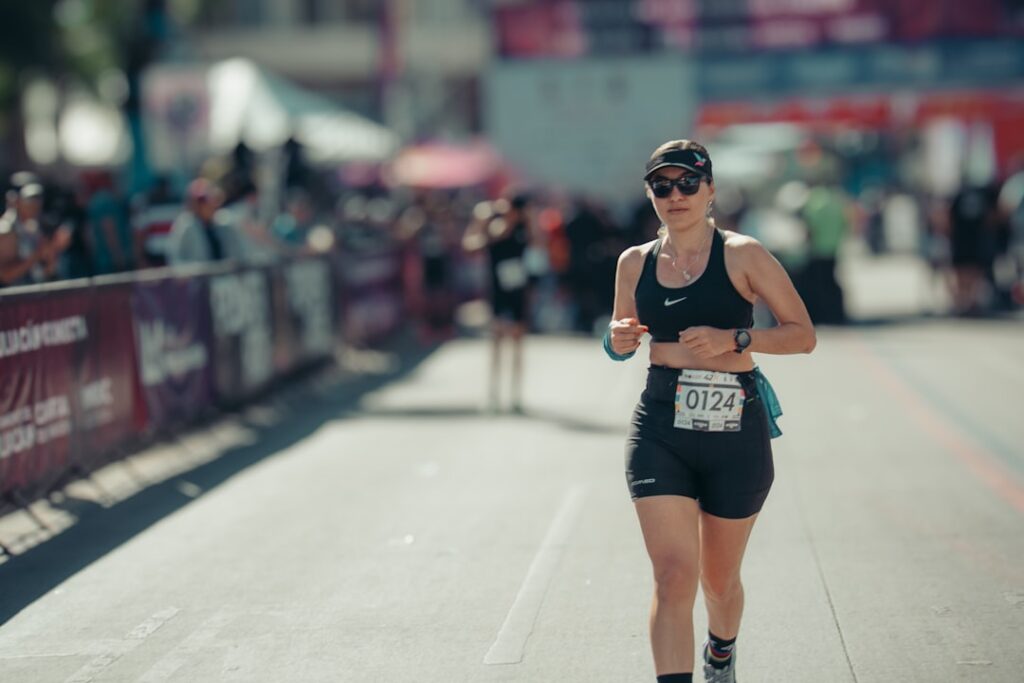
Peak performance is one of the most actively researched applications of EEG neurofeedback. Daniel Landers’ 1991 study with US archers established that EEG self-regulation could measurably improve elite-level performance. John Gruzelier and colleagues at Imperial College London then refined the protocols across two decades, demonstrating cognitive, creative, and athletic gains across musicians, dancers, surgeons, and athletes. The basic finding has been replicated repeatedly: training the right EEG profiles makes the brain faster, calmer, and more focused under pressure.
What the Research Shows
EEG neurofeedback consistently improves attention, processing speed, working memory, and performance under pressure across 40+ years of research. Multiple sham-controlled and active-comparator trials show measurable gains in real-world high-stakes tasks – musical performance, microsurgery, dance, golf, and academic exams. SMR/beta and alpha-theta protocols are the most-replicated. The intervention has an excellent tolerability profile and is widely used by Olympic-tier athletes, surgical teams, and military training programs.
How EEG Neurofeedback Boosts Performance
High performance under pressure depends on the brain’s ability to stay focused, calm, and efficient when stakes are high. EEG neurofeedback measures the brain rhythms most strongly correlated with focus (SMR, low beta), calm-alert states (alpha), and creative problem-solving (alpha-theta), and rewards the brain when it shifts toward those states. Across multiple sessions, the brain learns to find and hold those states on its own – including in the high-pressure moments where they matter most. The most studied protocols are SMR/beta enhancement (Egner, Vernon), alpha-theta training (Gruzelier, Raymond), and individualized peak-alpha-frequency training (Arns).
Foundational Research
The peak-performance neurofeedback canon – cited extensively in the ISNR Comprehensive Bibliography – establishes the basic finding across athletes, performers, and high-stakes professionals.
Landers et al., 1991 – EEG NF improves performance in pre-elite archers
Journal of Sport & Exercise Psychology, 13(2): 123-129.
The seminal sport-NF study. Pre-elite archers receiving EEG biofeedback during pre-shot routines significantly outperformed both sham and no-treatment controls. Established that EEG self-regulation translates into measurable elite-level performance gains.
Vernon et al., 2003 – distinct NF protocols and cognitive performance
International Journal of Psychophysiology, 47(1): 75-85.
Healthy adults completed either SMR or theta/SMR neurofeedback. The SMR protocol produced significant improvements in attention and semantic working memory versus controls. One of the cleanest demonstrations that protocol selection drives specific cognitive gains. DOI: 10.1016/S0167-8760(02)00091-0 | PMID 12543448
Egner & Gruzelier, 2003 – ecological validity of NF in performers
Neuroreport, 14(9): 1221-1224.
Conservatoire-level musicians completed SMR/beta neurofeedback. Their performance under stress (graded examination by independent judges) improved significantly versus controls – the first clean demonstration that EEG NF transfers from the training room to high-stakes real-world performance. DOI: 10.1097/00001756-200307010-00006 | PMID 12824761
Egner & Gruzelier, 2004 – low-beta NF improves attention and ERPs
Clinical Neurophysiology, 115(1): 131-139.
Healthy adults completed low-beta enhancement neurofeedback. The protocol produced specific gains on continuous-performance attention tasks alongside event-related potential changes confirming the brain-level mechanism. A core peak-performance NF reference. DOI: 10.1016/S1388-2457(03)00353-5 | PMID 14706480
Raymond, Sajid, Parkinson & Gruzelier, 2005 – NF and dance performance
Applied Psychophysiology & Biofeedback, 30(1): 65-73.
Ballroom and Latin dancers receiving alpha-theta or SMR neurofeedback showed significant improvements in expert-judged performance versus controls. Extends the peak-performance signal from music to whole-body coordinated performance. DOI: 10.1007/s10484-005-2169-8 | PMID 15889587
Ros et al., 2009 – NF improves microsurgical skill
BMC Neuroscience, 10: 87.
Trainee microsurgeons receiving 8 sessions of SMR neurofeedback improved their surgical skill significantly more than mental-rehearsal controls (effect size ~0.85). The first clean trial showing NF accelerates the acquisition of an elite, high-stakes professional skill. DOI: 10.1186/1471-2202-10-87 | PMID 19630960
Arns et al., 2007 – golf performance and personalized event-locked NF
Journal of Neurotherapy, 11(4): 11-18.
Golfers completing individualized event-locked EEG neurofeedback improved putt accuracy in real-life on-course conditions. Established that personalized, event-locked protocols translate to actual sport performance, not just lab tasks.
Recent Randomized Trials and Reviews
Modern reviews and trials confirm and extend the foundational findings into clinical, athletic, and professional populations.
Gruzelier, 2014 – peak-performance neurofeedback review series (3 papers)
Neuroscience & Biobehavioral Reviews, 44: 124-141 / 142-158 / 159-182.
Three-part comprehensive review of EEG neurofeedback for cognitive enhancement and creativity. Gruzelier synthesizes 30+ years of evidence and concludes that alpha, SMR, and alpha-theta protocols produce reliable, replicable performance and well-being gains across healthy and clinical populations. The canonical peak-performance review. DOI: 10.1016/j.neubiorev.2013.09.015 | PMID 24125857
Mirifar et al., 2017 – NF in sport-performance research review
Neuroscience & Biobehavioral Reviews, 75: 419-432.
Comprehensive review of EEG neurofeedback in sport and exercise psychology. Concludes that NF produces measurable improvements in athletic performance across multiple sports and skill levels, with the strongest evidence for SMR and alpha protocols. DOI: 10.1016/j.neubiorev.2017.02.005 | PMID 28249724
Xiang et al., 2018 – NF improves working memory in healthy adults (meta-analysis)
Frontiers in Human Neuroscience, 12: 365.
Meta-analysis of EEG neurofeedback effects on working memory in healthy adults. Reports a significant pooled effect size, supporting NF as an evidence-based cognitive-enhancement tool. Adds quantitative confirmation to the peak-performance literature. DOI: 10.3389/fnhum.2018.00365 | PMID 30319379
Why Peak Performers Use Neurofeedback
- Used by Olympic-tier athletes. Skiing, archery, golf, and shooting programs have used NF for decades.
- Used in surgical and military training. Skill acquisition gains shown in microsurgery (Ros 2009) and military programs.
- Skill-based and durable. The brain states you train carry over outside the lab and persist after training ends.
- Measurable physiology. Sham-controlled trials show real EEG and performance changes, not just self-report.
- Compatible with everything else. Works alongside coaching, mental skills training, and recovery practices.
- Backed by ISNR. The International Society for Neuroregulation & Research catalogues the supporting research and standards of practice.
A Few Honest Caveats
- Protocol selection matters – the right protocol depends on the performance domain (focus vs creativity vs stress recovery).
- Most peak-performance trials are modest in size; the field’s strength is in cumulative consistency rather than one mega-trial.
- Performance gains compound with practice; NF works best as part of a broader training plan with deliberate practice.
- Individualized assessment (peak alpha frequency, QEEG) usually outperforms one-size-fits-all protocols.
Is Neurofeedback Right for Your Performance Goals?
If you compete, perform, operate under pressure, or simply want to think more clearly and recover more quickly – EEG neurofeedback has one of the longest research track records of any cognitive-enhancement tool. Most performers see meaningful change within 15-25 sessions, and the brain states you train continue to be available long after the protocol ends.
Want to Dig Deeper Into the Research?
The International Society for Neuroregulation & Research (ISNR) maintains the comprehensive bibliography of peer-reviewed neurofeedback studies across conditions.
Last reviewed: April 2026. This page is for general information and does not constitute medical advice. Always speak with a qualified clinician about your treatment options.