One in five adults lives with a mental health condition. Traumatic brain injury affects tens of millions annually. Cognitive decline is a growing health challenge in aging populations. For decades, brain health treatments have operated largely on self-report: patients describe how they feel, and clinicians adjust accordingly. Clinicians have had limited access to objective measures of brain function, leaving the true effectiveness of interventions difficult to quantify.
Neurofeedback and photobiomodulation (PBM) are increasingly positioned within brain optimization, cognitive performance, and integrative mental health markets due to their noninvasive mechanisms and expanding evidence base.
Neurofeedback: Measuring Brain Function Objectively
Neurofeedback leverages real time electroencephalography (EEG) to enable adaptive regulation of cortical activity. Research continues to demonstrate measurable effects in attention regulation, executive function, anxiety reduction, and sleep quality. A meta analysis by Arns et al. (2009) identified neurofeedback as meeting criteria for efficacy in attention deficit hyperactivity disorder. Follow up research indicates sustained improvements in attentional control and self regulation (Van Doren et al., 2019). Beyond ADHD, growing literature explores applications in peak performance, post concussion recovery, and stress resilience.Neurofeedback has introduced objectivity to brain health, providing practitioners with a window into cortical activity through quantitative EEG mapping. But measurement and physiological support are two distinct challenges. A fatigued or under-resourced neuron cannot be trained into optimal function. Cellular conditions, such as ATP availability, blood flow, and mitochondrial efficiency, quickly limit the benefits of even the most sophisticated training protocols. Photobiomodulation (PBM) addresses this limitation.
Technology Features and Platform Innovation
The neurofeedback sector has shifted toward high resolution quantitative EEG mapping, artifact rejection automation, and AI assisted pattern recognition. Cloud-enabled systems now support data aggregation, remote supervision, and protocol refinement at scale. Open architecture EEG platforms are increasing transparency and collaboration across research and clinical environments.
PBM devices have evolved in wavelength precision, pulsing capability, irradiance control, and ergonomic delivery formats. Transcranial and intranasal systems are designed to target cortical and subcortical structures while maintaining defined safety thresholds. Integration of programmable parameters allows for protocol customization aligned with clinical objectives and research frameworks.
A notable trend across both industries is data convergence. Platforms are increasingly capable of combining EEG metrics, symptom tracking, cognitive assessments, and light therapy parameters into unified dashboards. This shift supports longitudinal monitoring and outcome reporting across brain health programs.
Supporting Brain Function with Photobiomodulation
Using red and near infrared wavelengths, PBM interacts with cytochrome c oxidase, a key mitochondrial enzyme. This interaction triggers a cascade of downstream effects that enhance ATP production, modulate reactive oxygen species, and support cerebral blood flow.
These processes support neurovascular coupling and metabolic activity within neural tissue, with clinical studies reporting improvements in cognitive performance, mood regulation, and executive functioning (Naeser et al., 2014). Emerging trials continue to examine its role in neurodegenerative conditions, traumatic brain injury, and age related cognitive decline.
Recent neuroimaging research has also demonstrated measurable physiological brain responses to PBM, with functional magnetic resonance imaging studies showing changes in blood oxygenation level dependent signals and cerebral blood flow across multiple brain regions (Van Lankveld et al., 2026).
Intranasal Photobiomodulation and Deep Brain Stimulation Pathways
The practical limitation of photobiomodulation has always been light attenuation. With traditional transcranial systems, a significant portion of light is absorbed or scattered by hair, scalp, melanin, and bone before reaching target tissue.
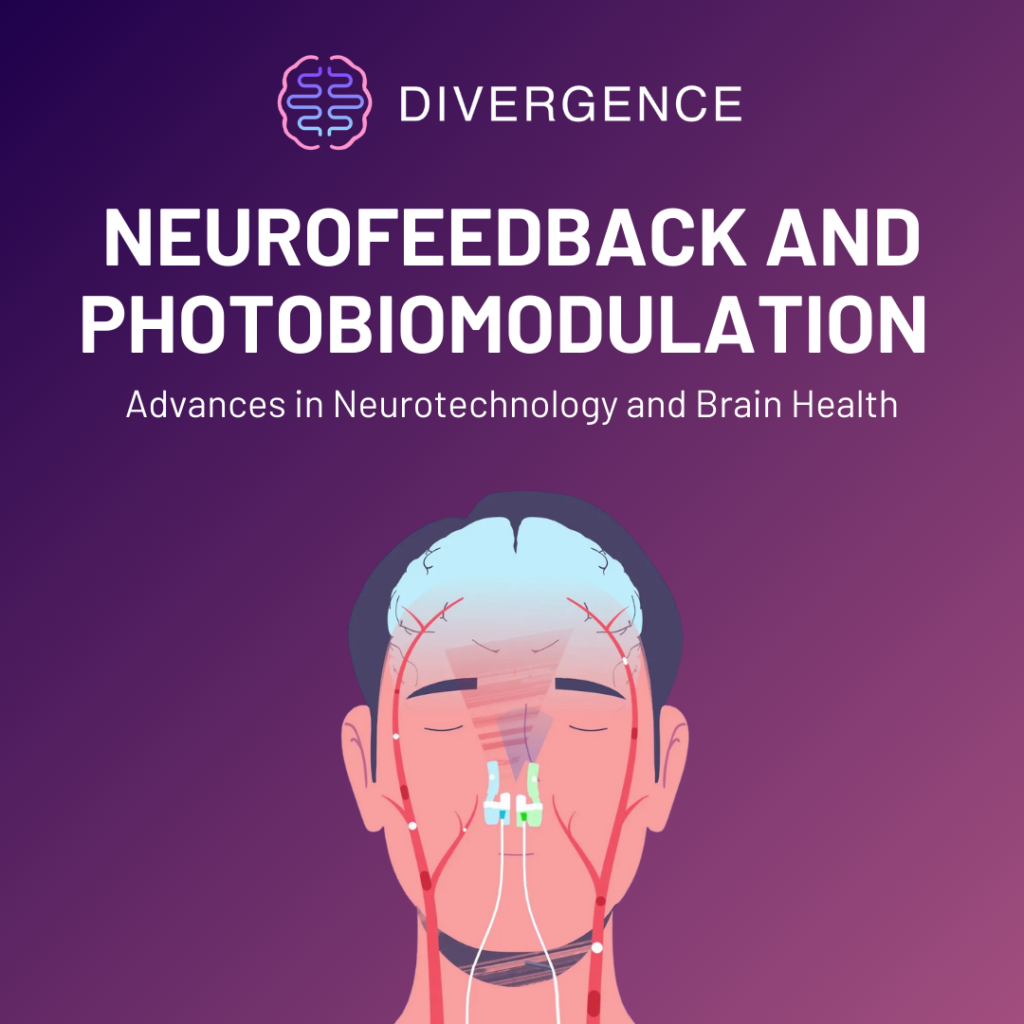
Intranasal photobiomodulation (iPBM) has emerged as a complementary delivery approach, utilizing the nasal cavity as an optical pathway to brain structures. The nasal route provides proximity to the cribriform plate, a thin structure separating the nasal cavity from the brain, allowing for reduced attenuation and potentially improved energy delivery efficiency.
Recent functional magnetic resonance imaging research provides evidence that iPBM can elicit measurable hemodynamic responses in both cortical and subcortical regions. In a study of healthy adults, responses were observed across brain networks including the thalamus, amygdala, ventral striatum, and parietal cortex (Van Lankveld et al., 2026).
These regions are associated with sensory integration, emotional regulation, motivation, and cognitive processing, and are typically difficult to target using noninvasive approaches.
The observed responses were dose dependent across wavelength, irradiance, and pulsation frequency, supporting parameter specific biological effects and controlled neuromodulation.
Integrated Neurotechnology: A Closed Loop Approach
Together, neurofeedback and photobiomodulation represent a new paradigm in brain health treatment: measure the function, address the physiology, and quantify the results.
The combination of neurofeedback and PBM creates something neither approach can achieve independently: a closed-loop system for brain optimization.
- Neurofeedback establishes a functional baseline by identifying relevant network patterns
- Targeted PBM protocols support the metabolic conditions relevant to those regions
- Post-intervention assessment captures measurable changes and guides protocol adjustments
Technology Features and Platform Innovation
The neurofeedback sector has shifted toward high resolution quantitative EEG mapping, artifact rejection automation, and AI assisted pattern recognition. Cloud enabled systems now support data aggregation, remote supervision, and protocol refinement at scale.
PBM devices have evolved in wavelength precision, pulsing capability, irradiance control, and ergonomic delivery formats. Transcranial and intranasal systems are designed to target cortical and subcortical structures while maintaining defined safety thresholds.
A notable trend across both industries is data convergence, where platforms combine EEG metrics, symptom tracking, cognitive assessments, and light therapy parameters into unified dashboards for longitudinal monitoring.
Market Growth and Industry Direction
Global demand for noninvasive neurotechnology is expanding across mental health clinics, concussion centers, executive performance programs, and longevity focused practices.
Practitioners are facing a growing demand for objective brain health solutions, from patients seeking proof to the broader shift toward outcome based care. The gap between subjective treatment models and validated interventions is becoming increasingly difficult to ignore.
Industry reports project continued growth in wearable neurotechnology, AI assisted EEG analytics, and home supervised light therapy systems, with increasing collaboration across clinical, research, and commercial environments.
Stay Informed About Advances in Neurotechnology and Brain Health
Subscribe to the Divergence Neuro newsletter to receive updates on emerging research, neurofeedback and photobiomodulation technologies, and practical insights for integrating brain optimization tools into clinical and performance settings. Stay connected with new studies, platform developments, and resources designed to support evidence informed neurotechnology practice.
References
Arns, M., de Ridder, S., Strehl, U., Breteler, M., & Coenen, A. (2009). Efficacy of neurofeedback treatment in ADHD. Clinical EEG and Neuroscience, 40(3), 180–189. https://doi.org/10.1177/155005940904000311
Hamblin, M. R. (2016). Shining light on the head: Photobiomodulation for brain disorders. Photomedicine and Laser Surgery, 34(9), 382–384. https://pubmed.ncbi.nlm.nih.gov/27752476/
Naeser, M. A., Saltmarche, A., Krengel, M. H., et al. (2014). Improved cognitive function after transcranial photobiomodulation in chronic traumatic brain injury. Journal of Neurotrauma, 31(11), 1008–1017. https://pubmed.ncbi.nlm.nih.gov/21182447/
Van Doren, J., Arns, M., Heinrich, H., et al. (2019). Sustained effects of neurofeedback in ADHD. European Child and Adolescent Psychiatry, 28(3), 293–305. https://link.springer.com/article/10.1007/s00787-018-1121-4
Van Lankveld, H., Chen, J. X., Zhong, X. Z., & Chen, J. J. (2026). Intranasal photobiomodulation: An energy efficient paradigm for cortical and subcortical stimulation. bioRxiv. https://doi.org/10.64898/2026.03.03.709361