What Does Neurofeedback Therapy Do?
Unlocking Mental Wellness with Remote Neurofeedback Solutions
Neurofeedback, although a concept that’s been around for some time, is still not extensively adopted, which often leads to the question, “What is neurofeedback?” As it gains traction in the mental-health field, more people are discovering its potential to enhance mental wellness. With technological advancements, neurofeedback therapy is revolutionizing the way we address mental health by training the brain to self-regulate its activity. This innovative approach is showing promise in improving conditions such as anxiety, ADHD, insomnia, depression, and more. So, what exactly does neurofeedback do and why is it becoming such a prominent tool in mental health care?
Why Neurofeedback Should Be Part of Your Clinical Practice
As mental-health professionals, integrating neurofeedback technology into clinical practice can provide powerful, evidence-based support to enhance patient outcomes. Neurofeedback is a non-invasive, drug-free therapy that directly addresses brainwave dysregulation, which is often at the core of many mental-health conditions such as anxiety, ADHD, depression and insomnia.
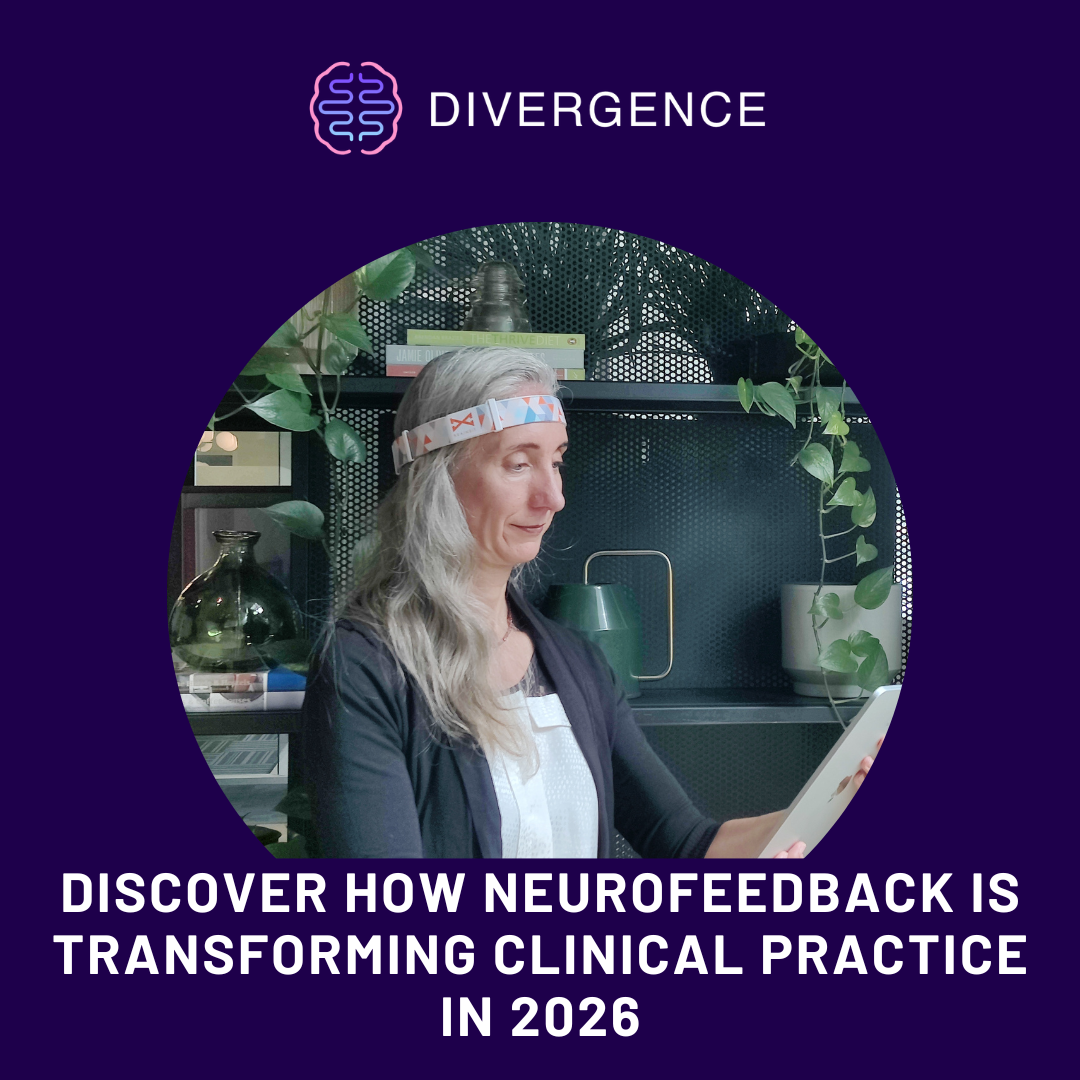
By using EEG (electroencephalogram) sensors to monitor and assess brain-activity in real-time, neurofeedback allows patients to receive immediate feedback on their brain activity. This data helps guide the brain to self-regulate, promoting more balanced emotional responses, improved cognitive functioning and greater mental clarity. Research has demonstrated that neurofeedback can lead to long-lasting changes in brain function, offering patients a sustainable solution for managing symptoms (Hengameh et al., 2016; Thompson & Thompson, 2003; Pani et al., 2018).
Integrating neurofeedback into mental health and coaching practices not only helps address the root causes of mental-health conditions but also supports a holistic, patient-centered approach to treatment. Trained mental health professionals, including psychologists, psychiatrists, and clinical social workers, may provide neurofeedback as part of their therapeutic offerings.
As a non-invasive, well-tolerated intervention, neurofeedback is a valuable addition to traditional therapeutic methods and medication management. It provides an effective alternative for patients seeking non-pharmaceutical solutions, empowering them to actively participate in their own healing process.
The Growing Role of Remote Neurofeedback Solutions
Technological advancements now allow for remote neurofeedback, enabling patients to complete therapy from home. This provides flexibility (with dry electrodes), increased access (especially for underserved areas) and cost savings. For clinicians, remote neurofeedback offers the same benefits as in-office therapy but with added convenience and real-time monitoring, improving patient outcomes (Pani et al., 2018).
Key Benefits of Remote Neurofeedback for Your Practice:
- Flexibility for Patients: Patients can complete sessions at their convenience, improving adherence (Thompson et al., 2020).
- Increased Access: Remote neurofeedback reaches patients in underserved areas (Pani et al., 2018).
- Cost-Effective: Remote therapy reduces travel costs and makes the treatment more affordable for both patients and clinicians (Hammond, 2011).
- Real-Time Monitoring: Clinicians can adjust treatment plans based on live data, enhancing the therapy’s effectiveness (Meyer et al., 2014).
- Patient Engagement: Interactive feedback (music or auditory cues) boosts motivation and improves therapy outcomes (Rosenfeld, 2012).
How Divergence Neuro Simplifies the Neurofeedback Process
Divergence simplifies neurofeedback integration using wearable, wireless devices like the Neurosity Crown and BrainBit Flex. These devices provide high-quality EEG readings that are easy for patients to use and for clinicians to monitor remotely, ensuring effective and non-disruptive care (Pani et al., 2018).
Is Neurofeedback Safe and Effective?
Neurofeedback is a safe, non-invasive therapy with minimal side effects. It is effective in treating a variety of mental-health concerns, such as anxiety, ADHD, depression, insomnia, PTSD and more, by addressing brainwave dysregulation and improving cognitive and emotional functioning (Hammond, 2011; van der Kolk, 2014).
Looking to Incorporate Neurofeedback into Your Practice?
Neurofeedback is a validated treatment modality that offers personalized, accessible, and cost-effective care. To learn more about integrating remote neurofeedback into your practice, request a demo of the Divergence Neuro platform today.
References
Hammond, D. C. (2011). Neurofeedback treatment of depression and anxiety. Biofeedback, 39(3), 120-130.
Hengameh, S., Nader, N., & Ebrahim, K. (2016). Neurofeedback in mental health and neurological disorders: A review. Journal of Psychosocial Research, 61(4), 100-120.
Meyer, F. S., Jones, M. M., & Peterson, D. (2014). The use of neurofeedback in improving cognitive performance in children with ADHD: An integrated review. Child and Adolescent Psychiatry and Mental Health, 8(1), 13-25.
Pani, P., et al. (2018). Remote neurofeedback and its impact on cognitive functions: A review of the literature. Frontiers in Psychology, 9, 543.
Rosenfeld, J. P. (2012). Neurofeedback and neurotherapy: An overview and update. Biofeedback, 40(3), 113-119.
Thompson, M., Allen, P., & Holmes, D. (2020). Cloud-based neurofeedback: A new frontier in mental health care. Journal of Telemedicine and Telecare, 26(7-8), 398-404.
Thompson, M., & Thompson, L. (2003). Neurofeedback and self-regulation: A comprehensive review. Applied Psychophysiology and Biofeedback, 28(3), 219-239.
van der Kolk, B. A. (2014). The body keeps the score: Brain, mind, and body in the healing of trauma. Viking Press.