-
 READ MORE
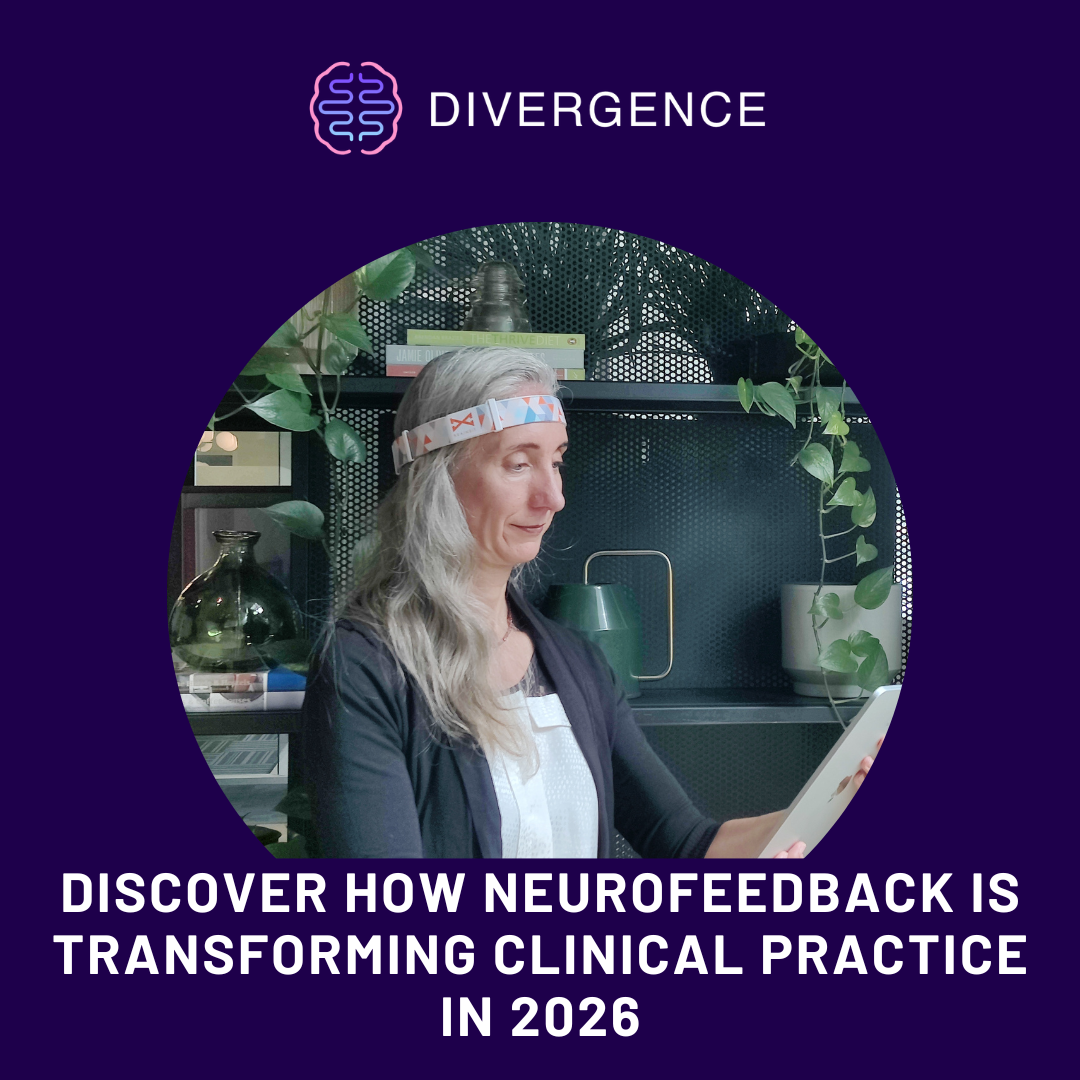
The Evolving Role of Neurofeedback in Practice in 2026 Neurofeedback has been part of the clinical landscape for decades, but its applications today look very different from just a few years ago. Advances in technology, cloud-based monitoring, and integration with multi-modal biofeedback have made neurofeedback more flexible and scalable, allowing clinicians to incorporate it alongside […]
-
 READ MORE
Multi-User Management in Remote Neurofeedback and Biofeedback Practices Digital platforms are increasingly central to delivering personalized neurofeedback and biofeedback care, enabling clinicians, psychotherapists, and coaches to monitor client progress, analyze physiological data, and maintain compliance in secure, scalable ways. As clinical teams grow and responsibilities diversify, systems that provide structured multi-user management have become essential […]
-
 READ MORE
Supporting Clients with Seasonal Depression: Clinical Insights and SAD Neurofeedback Therapy Seasonal affective disorder (SAD), commonly called seasonal depression, is a recurrent depressive pattern that typically begins in fall and continues through winter months for many patients. Studies indicate that up to 10% of individuals who live in northern latitudes experience clinically significant symptoms, with […]
-
Biofeedback / Blog / Neuro Science / Neurofeedback November 14, 2025
 READ MORE
Training Brain–Heart Coherence with EEG and HRV When The Brain and Heart Learn Together with Biofeedback In the last few years, the science of mind-body connection has evolved beyond just a slogan. We now have measurable, quantifiable ways to observe how the brain and heart coordinate their rhythms to create what we call adaptive resilience […]
-
 READ MORE
Empowering Families to Navigate Back-to-School Challenges Through Neuroregulation The start of a new school year can be a stressful time for both students and their families. New routines, academic expectations, social transitions and sports commitments can create pressure that affects attention and emotional regulation. Parents often experience stress themselves, which can influence their children’s ability […]
-
 READ MORE
Rethinking ADHD Treatment: How Neurofeedback and Biofeedback Can Strengthen Clinical Outcomes October is ADHD Awareness Month, an opportunity for clinicians to reflect on how evolving technologies can deepen the effectiveness of treatment. While medication and behavioral therapy remain foundational, there is growing evidence that integrating neurofeedback and biofeedback can meaningfully enhance self-regulation, attention, and emotional […]
-
 READ MORE
Hitting Stride – 5 Years of Divergence Neuro A reflection on our journey, our work, and the future of mental health care Five years ago, Divergence Neuro was born in a world that looked very different than today’s. The pandemic took hold of most aspects of our lives. We lived in a strange world of […]
-
 READ MORE
Divergence Neuro Elevates Neurofeedback with Integrated Multi-Modal Data Divergence Neuro has announced an important evolution of its cloud-based platform, now fully integrating real-time EEG, heart rate variability (HRV), and session analytics into a unified system. This comprehensive fusion between the brain and the heart addresses a critical need in neurofeedback and biofeedback practice: combining multiple […]
-
 READ MORE
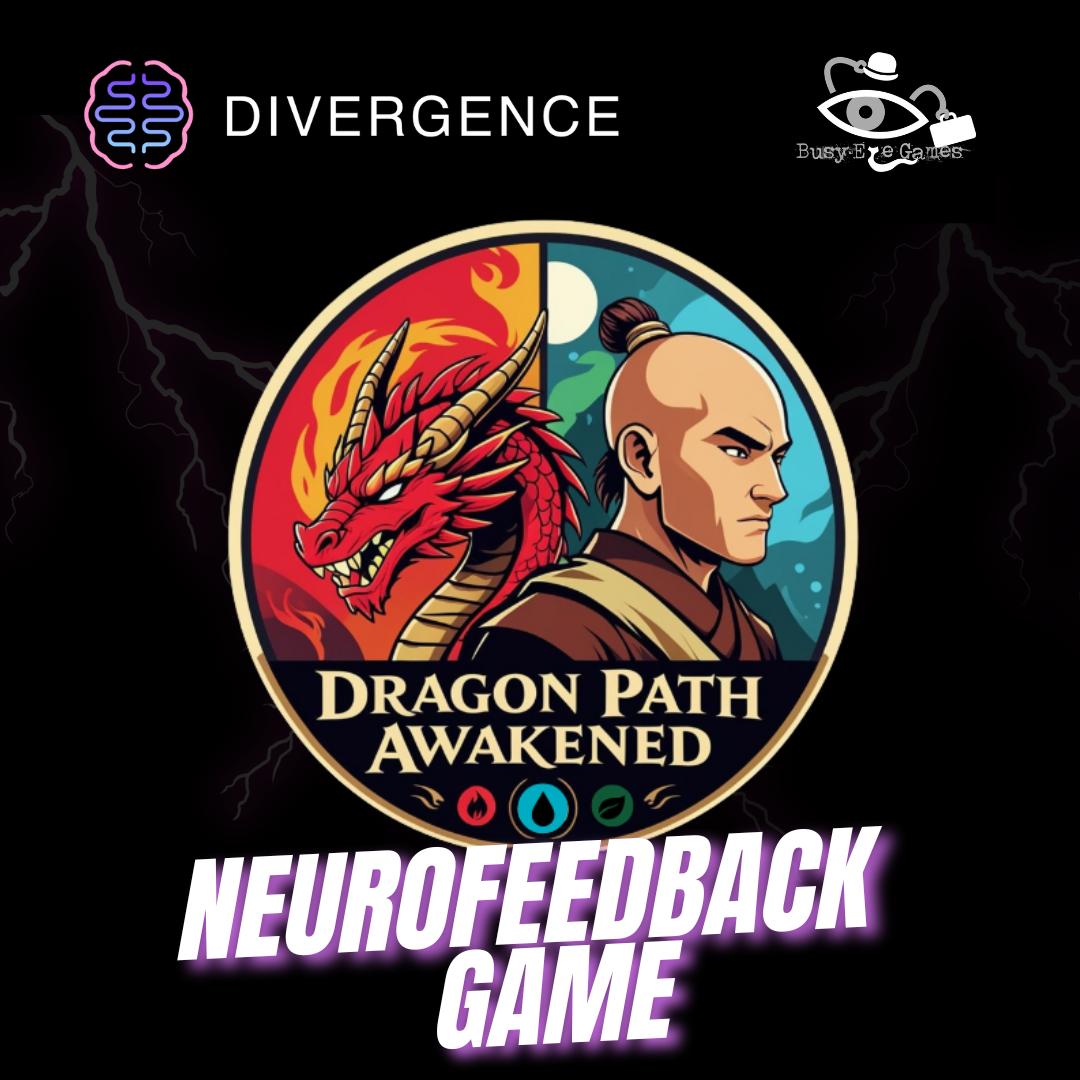
Dragon Path: Awakened Brings Neurofeedback to Life Through Gameplay Unveiled at ISNR 2025, Dragon Path: Awakened marks a groundbreaking collaboration between Divergence Neuro and Busy Eye Games, the first in a new generation of active, immersive neurofeedback training experiences. Attendees were treated to exclusive live demos where in-game progress was directly influenced by changes in […]
-
 READ MORE
Targeting Sleep Disruption with Remote Neurofeedback and Biofeedback Sleep disruption affects tens of millions of adults in the United States. According to the American Sleep Health Foundation and the National Heart, Lung, and Blood Institute, between 50 and 70 million adults live with a sleep disorder, and approximately one-third of adults regularly fail to get […]