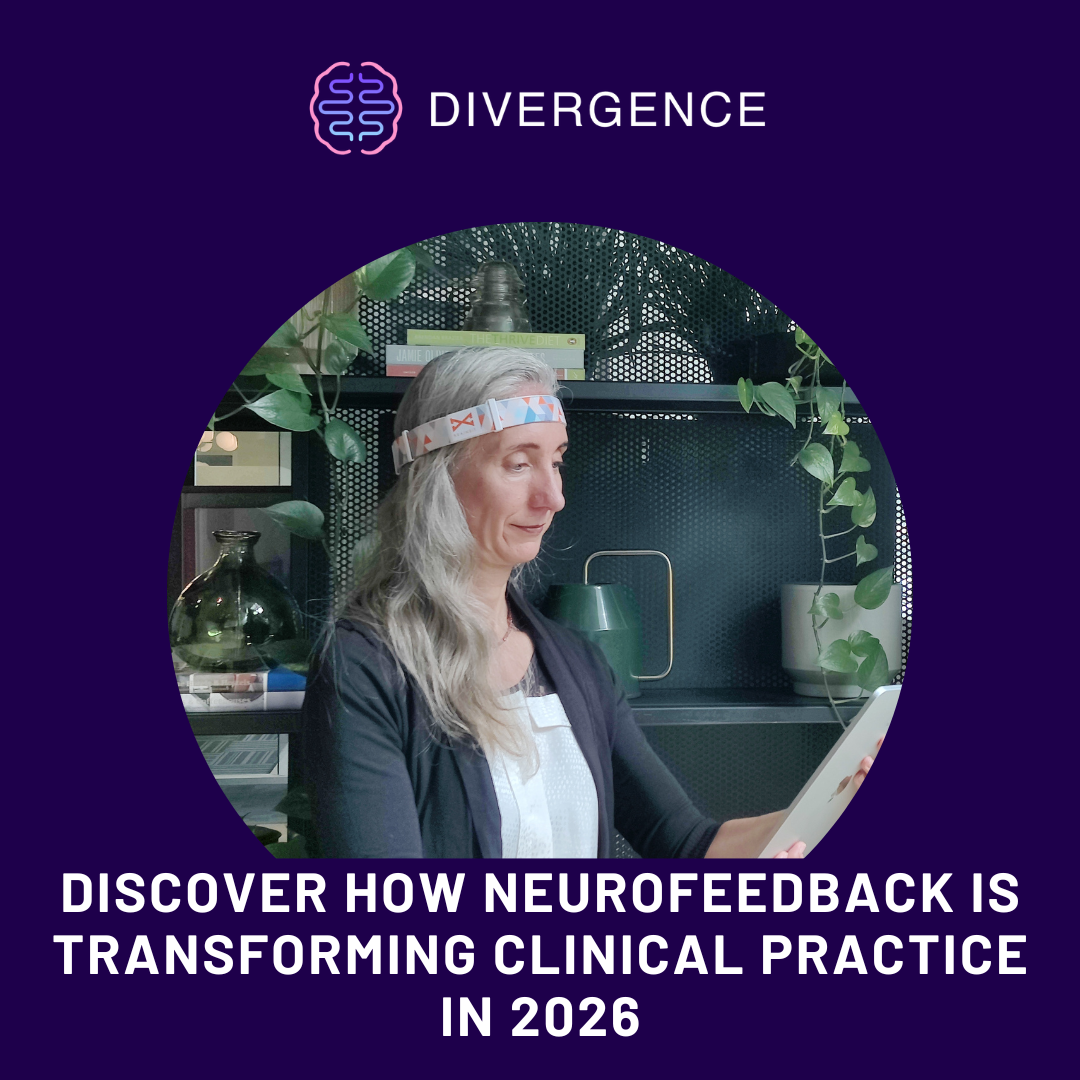
Supporting Clients with Seasonal Depression: Clinical Insights and SAD Neurofeedback Therapy

Neurofeedback Insights for Seasonal Depression

Seasonal affective disorder (SAD), commonly called seasonal depression, is a recurrent depressive pattern that typically begins in fall and continues through winter months for many patients. Studies indicate that up to 10% of individuals who live in northern latitudes experience clinically significant symptoms, with even higher rates of subclinical seasonal mood changes (Melrose, 2015). Clinicians, coaches, and therapists who understand the neurobiology, symptom patterns, and emerging interventions can provide more targeted support for clients with seasonal depression.

Neurobiological Mechanisms and Clinical Presentation

Seasonal depression arises from interacting biological and psychosocial factors. Biologically, shorter daylight and reduced light intensity can disrupt circadian timing through the suprachiasmatic nucleus, altering melatonin secretion and impacting sleep timing and quality. These light-related changes also influence serotonin function. Imaging research shows that serotonin transporter binding varies seasonally, with lower binding in winter months (Praschak-Rieder et al., 2008). Reduced vitamin D synthesis, decreased physical activity, and social withdrawal can further increase vulnerability (Lam & Levitan, 2000).

Psychosocial stressors such as heightened social expectations during the holidays, financial pressures, and isolation due to inclement weather often exacerbate symptoms. For some clients, loneliness, work-related stress, or disruptions in daily structure contribute to symptom severity, producing a complex interaction between environment and biology. Recognizing both biological and psychosocial contributors enables clinicians to design more comprehensive interventions.

Typical clinical signs include:

  • Persistent low mood or irritability
  • Oversleeping or disturbed sleep patterns
  • Changes in appetite, particularly carbohydrate cravings
  • Reduced motivation and social engagement
  • Impairments in attention, memory, and executive function

Evidence-Based Interventions for Seasonal Depression

First-line, evidence-based treatments for SAD include bright light therapy, cognitive behavioral therapy tailored for seasonal patterns (CBT-SAD), and pharmacotherapy when indicated. Meta-analytic data confirm that light therapy effectively improves mood and circadian regulation (Golden et al., 2005), while CBT-SAD addresses maladaptive thought patterns and behavioral withdrawal during winter months (Rohan et al., 2009). Selective serotonin reuptake inhibitors (SSRIs) are also effective for moderate-to-severe cases (Lam & Levitan, 2000). Combining modalities often yields stronger, more sustained outcomes.

SAD Neurofeedback Therapy as a Complementary Tool

Neurofeedback provides a non-invasive, EEG-based method that enables clients to modulate neural activity patterns associated with mood and attention (Hammond, 2011). Meta-analyses suggest that EEG-based neurofeedback can support depressive symptom reduction and improve self-regulation when applied as part of a multi-modal plan (Barlas, 2021; Fernández-Álvarez et al., 2021). While protocols and outcomes vary, alpha/beta training and frontal asymmetry protocols have shown potential to enhance emotional regulation and resilience.

The Divergence Neuro platform allows clinicians to deliver structured neurofeedback training remotely, extending care beyond the clinic. Objective EEG metrics such as Peak Alpha Frequency (PAF) and Power Spectral Density (PSD) provide quantitative insights to guide personalized interventions. Gamified exercises help maintain adherence for clients who experience low motivation during winter. Integrated with light therapy, CBT-SAD, or pharmacotherapy, neurofeedback can support precision care by addressing neurophysiological mechanisms underlying seasonal depression.

Advancing Clinical Practice in Seasonal Depression

Supporting clients with SAD requires proactive, individualized care grounded in both established and emerging evidence. When introduced alongside validated treatments, EEG-guided neurofeedback may help improve emotional regulation and cognitive resilience (Hammond, 2011). Clinicians should emphasize evidence-based first-line approaches while using neurofeedback as a complementary, data-driven intervention—particularly for clients who prefer non-pharmacological options or show neurophysiological targets suitable for training.

By combining neurofeedback with traditional therapies, clinicians can offer a holistic and compassionate pathway to mental wellness—addressing both the emotional and neurobiological dimensions of seasonal depression.

Looking for evidence-based insights to enhance your clinical practice?

Join the Divergence Neuro newsletter for research summaries, protocol ideas, and practical resources for supporting clients with seasonal depression.

References

Barlas, D. (2021). A meta-analysis of the effect of neurofeedback on depression. NeuroRegulation, 8(1), 3–8. https://www.neuroregulation.org/article/view/21482

Escolano, C., Navarro-Gil, M., García-Campayo, J., Congedo, M., & Mínguez, J. (2014). The effects of individual upper alpha neurofeedback in ADHD: An open-label pilot study. Applied Psychophysiology and Biofeedback, 39(3–4), 193–202. https://doi.org/10.1007/s10484-014-9257-6

Fernández-Álvarez, J., Di Girolamo, G., & Pérez-Álvarez, M. (2021). Efficacy of bio- and neurofeedback for depression: A systematic review and meta-analysis. Psychological Reports, 124(6), 2492–2525. https://doi.org/10.1017/s0033291721004396

Golden, R. N., Gaynes, B. N., Ekstrom, R. D., Hamer, R. M., Jacobsen, F. M., Suppes, T., … & Nemeroff, C. B. (2005). The efficacy of light therapy in the treatment of mood disorders: A review and meta-analysis of the evidence. American Journal of Psychiatry, 162(4), 656–662. https://doi.org/10.1176/appi.ajp.162.4.656

Hammond, D. C. (2011). What is neurofeedback: An update. Journal of Neurotherapy, 15(4), 305–336. https://doi.org/10.1080/10874208.2011.623090

Lam, R. W., & Levitan, R. D. (2000). Pathophysiology of seasonal affective disorder: A review. Journal of Psychiatry & Neuroscience, 25(5), 469–480. https://www.ncbi.nlm.nih.gov/pmc/articles/PMC1408021

Melrose, S. (2015). Seasonal affective disorder: An overview of assessment and treatment approaches. Depression Research and Treatment, 2015, 178564. https://doi.org/10.1155/2015/178564

Praschak-Rieder, N., Kennedy, S. H., Wilson, A. A., Hussey, D., Boovariwala, A., Willeit, M., … & Meyer, J. H. (2008). Seasonal variation in human brain serotonin transporter binding. Archives of General Psychiatry, 65(9), 1072–1078. https://doi.org/10.1001/archpsyc.65.9.1072

Rohan, K. J., Mahon, J. N., Evans, M., & Miller, M. E. (2009). Cognitive-behavioral therapy, light therapy, and their combination for seasonal affective disorder: Acute outcomes. Journal of Affective Disorders, 117(3), 181–189. https://doi.org/10.1176/appi.ajp.2015.14101293

Tags: , ,