Empowering Families to Navigate Back-to-School Challenges Through Neuroregulation
The start of a new school year can be a stressful time for both students and their families. New routines, academic expectations, social transitions and sports commitments can create pressure that affects attention and emotional regulation. Parents often experience stress themselves, which can influence their children’s ability to adapt effectively. Clinicians who recognize these interconnected dynamics can support families with interventions that help improve overall well-being.
Engaging Parents in Supporting Student Regulation
Parental involvement plays a critical role in children’s self-regulation and academic outcomes (Crnic & Low, 2002). Clinicians can encourage parents to actively observe their child’s stress patterns, note triggers for distraction or emotional dysregulation, and establish consistent routines at home. Simple strategies, such as structured morning and homework routines, mindfulness exercises, or guided breathing practices, can help parents provide a stable environment that supports learning and focus (Zins et al., 2004). In some cases, clinicians may guide parents on suggesting neurofeedback or biofeedback interventions to children who show persistent difficulties with attention or emotional regulation, framing it as a supportive tool for stress management.
Neurofeedback Games and Biofeedback for Students and Young Athletes
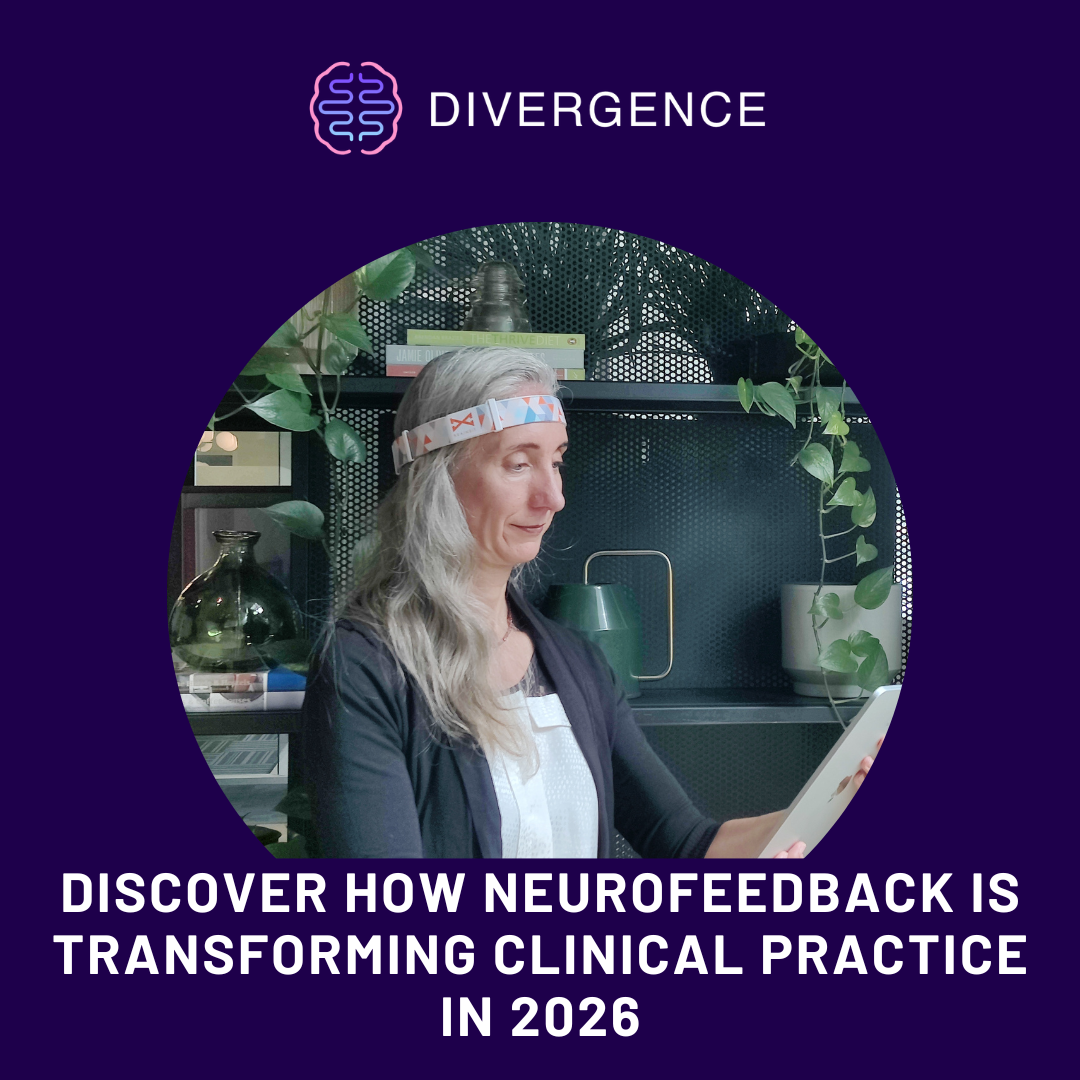
Students face more than just classroom assignments. They navigate social pressures, athletic commitments, standardized tests, and the stress of preparing for high school or college transitions. Many experience heightened anxiety, difficulty sustaining focus, and frustration when results do not match effort, which can undermine confidence and motivation. Neurofeedback games and multimodal biofeedback have shown to offer structured opportunities for students to practice attention control, emotional regulation, and patience in a safe, engaging environment. By providing immediate feedback on focus and arousal, these interventions help students recognize their stress responses, learn strategies to manage anxiety triggers, and gradually build self-regulation skills. For student-athletes, these tools can reduce pre-game nerves, improve concentration during practice, and support recovery after physically and mentally demanding activities.
Data-Informed Adjustments and Remote Support
Clinicians can use multimodal biofeedback to track EEG patterns, heart rate variability, and other physiological markers to tailor interventions to each child’s unique needs. This allows for real-time adjustments that account for fluctuating stress, sleep patterns, and performance anxiety, including challenges during tests or public performances. Remote delivery ensures continuity of support during busy school schedules, sports travel, or exam preparation periods. Families can also participate by observing progress and reinforcing coping strategies at home, helping students translate self-regulation skills into everyday life while reducing pressure and fostering resilience.
Integrating Academic, Social, and Emotional Skills
Combining structured interventions with family engagement helps students navigate academic, social, and athletic challenges more effectively. Supporting parents in fostering consistent routines and reinforcing adaptive strategies can help students build confidence as they face new demands. Clinicians benefit from approaches that are measurable, adaptable, and grounded in research, while families feel empowered to participate meaningfully in their child’s development. By addressing both student and parent needs, clinicians can foster sustained regulation skills that support a smoother transition into the school year and beyond.
Want to Stay Informed About Neurofeedback and Biofeedback?
Keep up with the latest research, clinical tools, and strategies for supporting students and families. Subscribe to our newsletter to see how Divergence Neuro is advancing accessible, clinician-led neuroregulation.
References
Arns, M., Heinrich, H., & Strehl, U. (2014). Evaluation of neurofeedback in ADHD: The long and winding road. Biological Psychology, 95, 108–115. https://doi.org/10.1016/j.biopsycho.2013.11.013
Cortese, S., Ferrin, M., Brandeis, D., Holtmann, M., Aggensteiner, P., Daley, D., … & Sonuga-Barke, E. J. S. (2016). Neurofeedback for attention-deficit/hyperactivity disorder: Meta-analysis of clinical and neuropsychological outcomes from randomized controlled trials. Journal of the American Academy of Child & Adolescent Psychiatry, 55(6), 444–455. https://doi.org/10.1016/j.jaac.2016.03.007
Crnic, K., & Low, C. (2002). Everyday stresses and parenting. In M. H. Bornstein (Ed.), Handbook of parenting: Practical issues in parenting (2nd ed., pp. 243–267). Lawrence Erlbaum Associates Publishers.
Zins, J. E., Weissberg, R. P., Wang, M. C., & Walberg, H. J. (2004). Building academic success on social and emotional learning: What does the research say? New York, NY: Teachers College Press.